




Curious to learn more about some of these innovations? In this blogpost on Google’s Sustainability-page five of them are showcased »
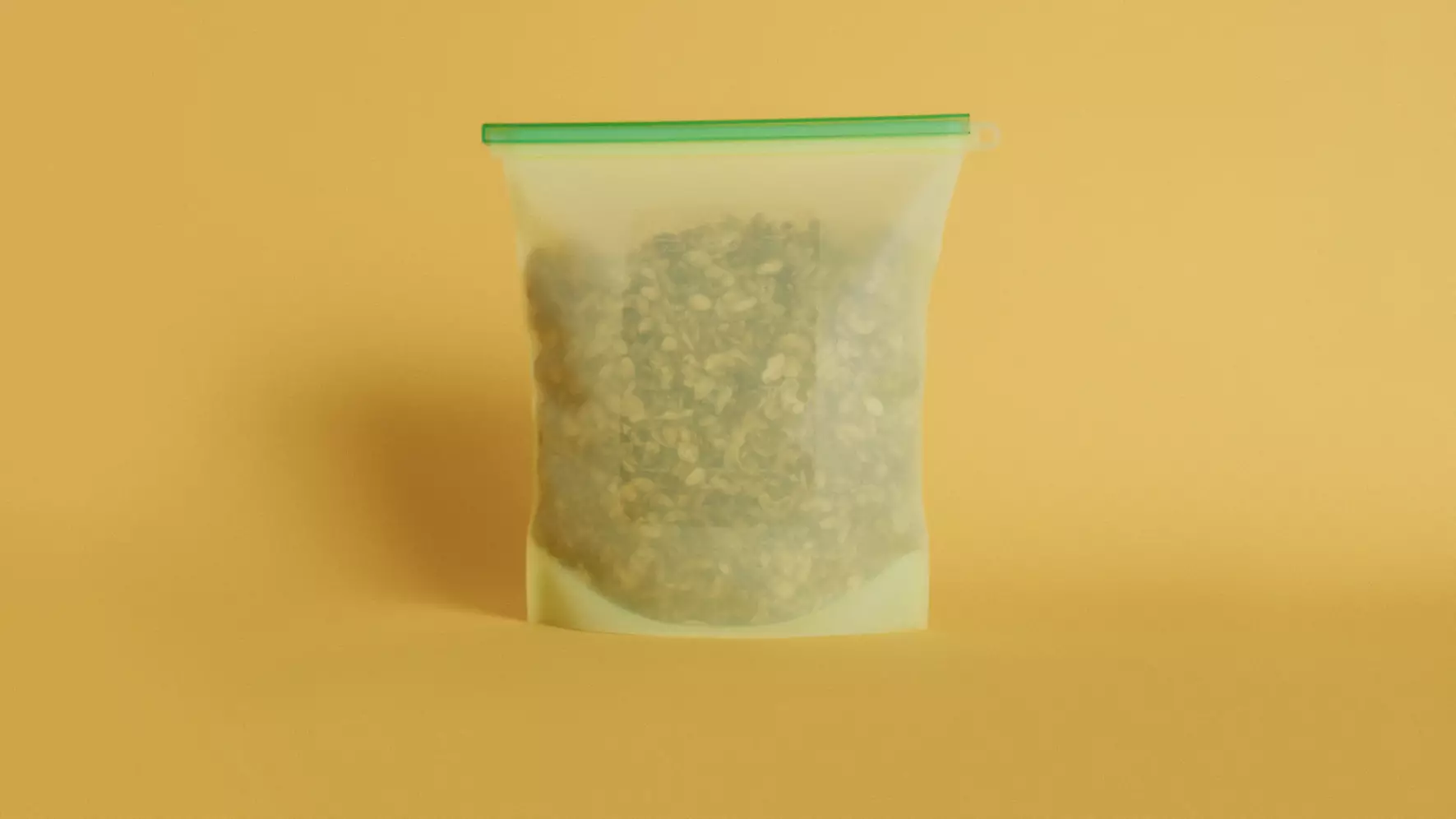
Healthy snacks in reusable bulk packaging
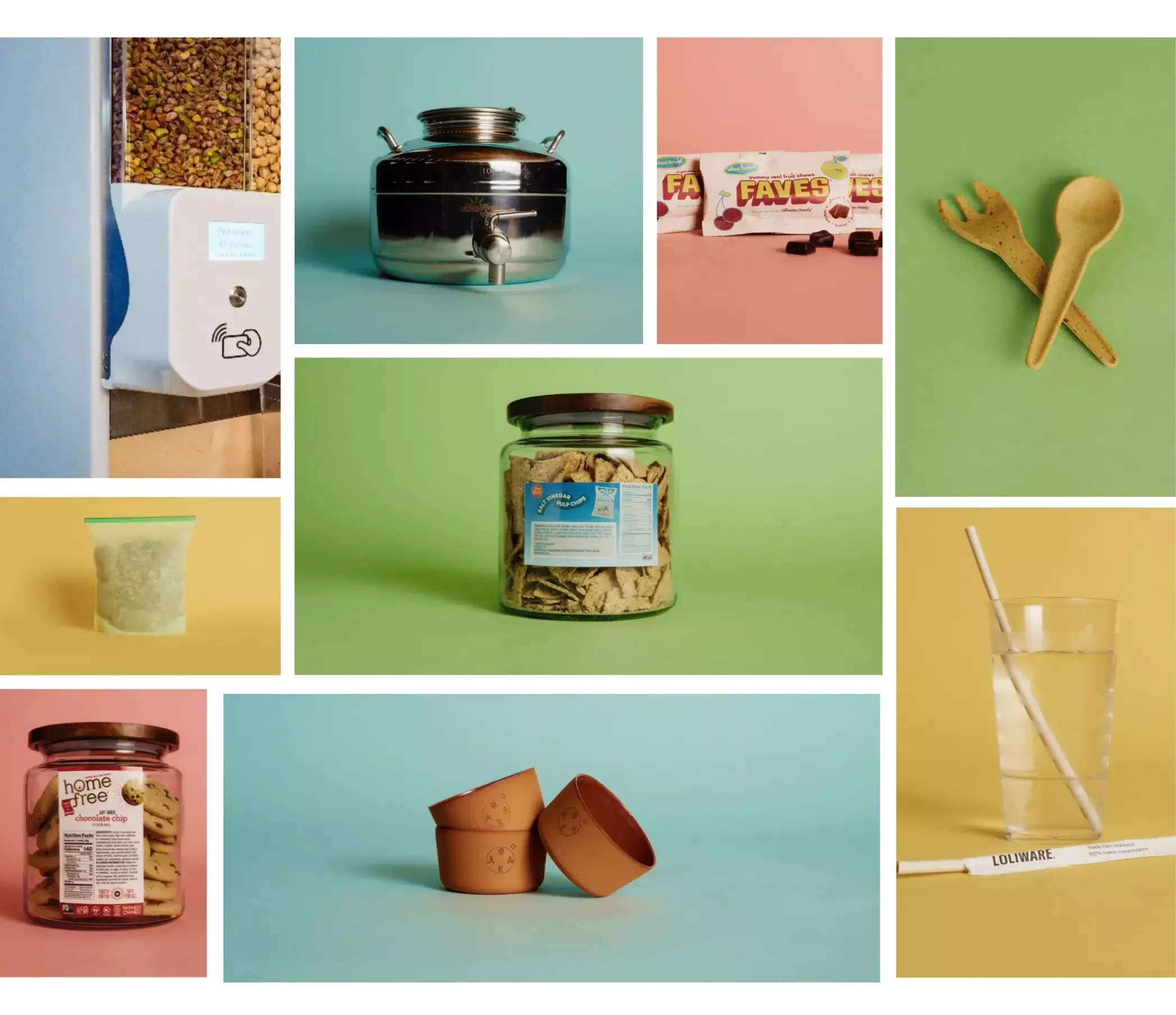
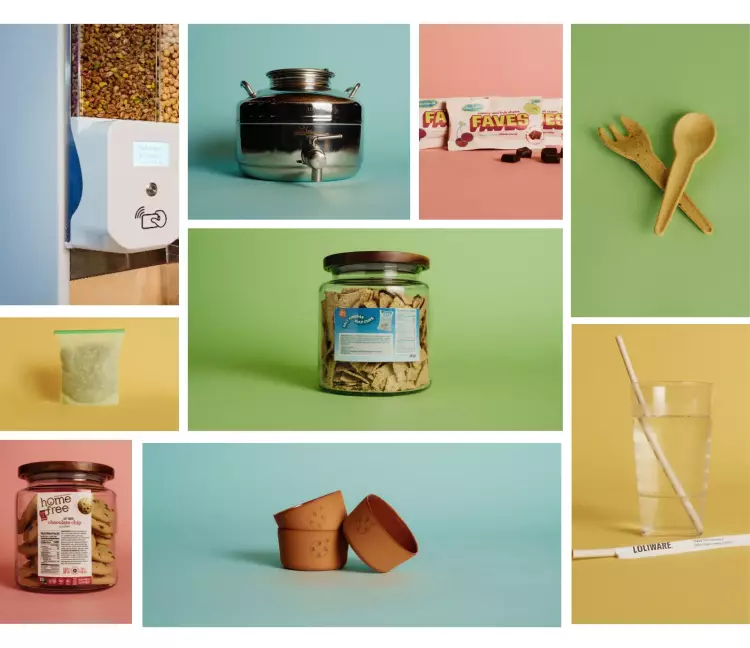
Sun & Swell is a certified women-owned B corporation from California that is on a mission to eliminate single-use plastics from the packaged food industry. Since 2019, the company has offered a portfolio of healthy snacks in plastic-free compostable packaging. Now they are taking it one step further by launching bulk snacks in fully reusable bags.




All-in-one paper cup with built-in lid
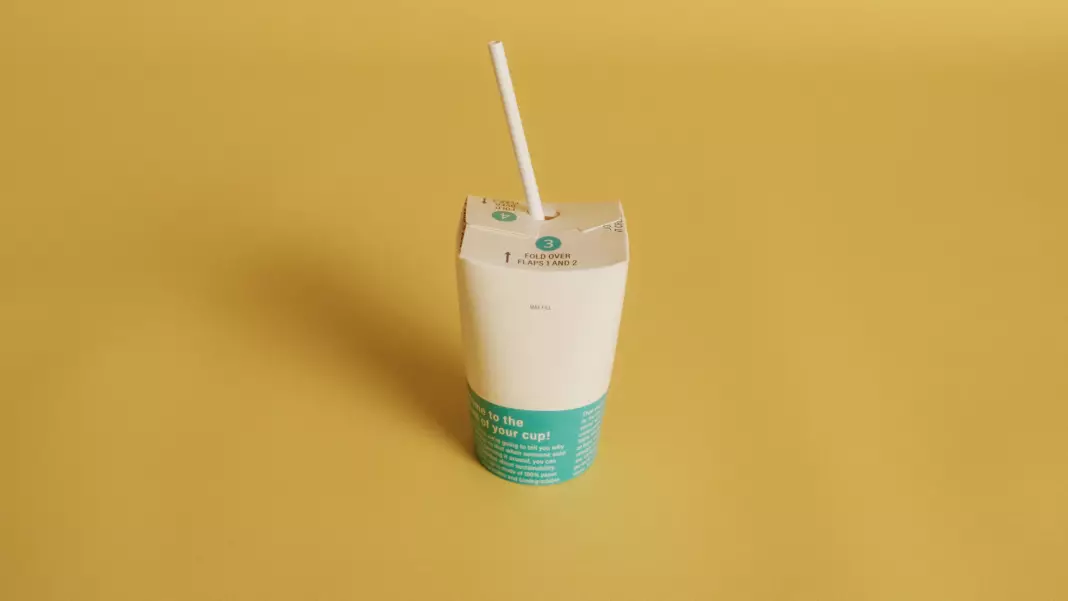
SOFi has developed a new revolutionary paper cup with a built-in lid and paper straws that don't get soggy or taste like paper and are entirely plastic and PFAS free. By eliminating separate plastic lids, they’re reducing waste while helping businesses save on shipping, storage and counter space.

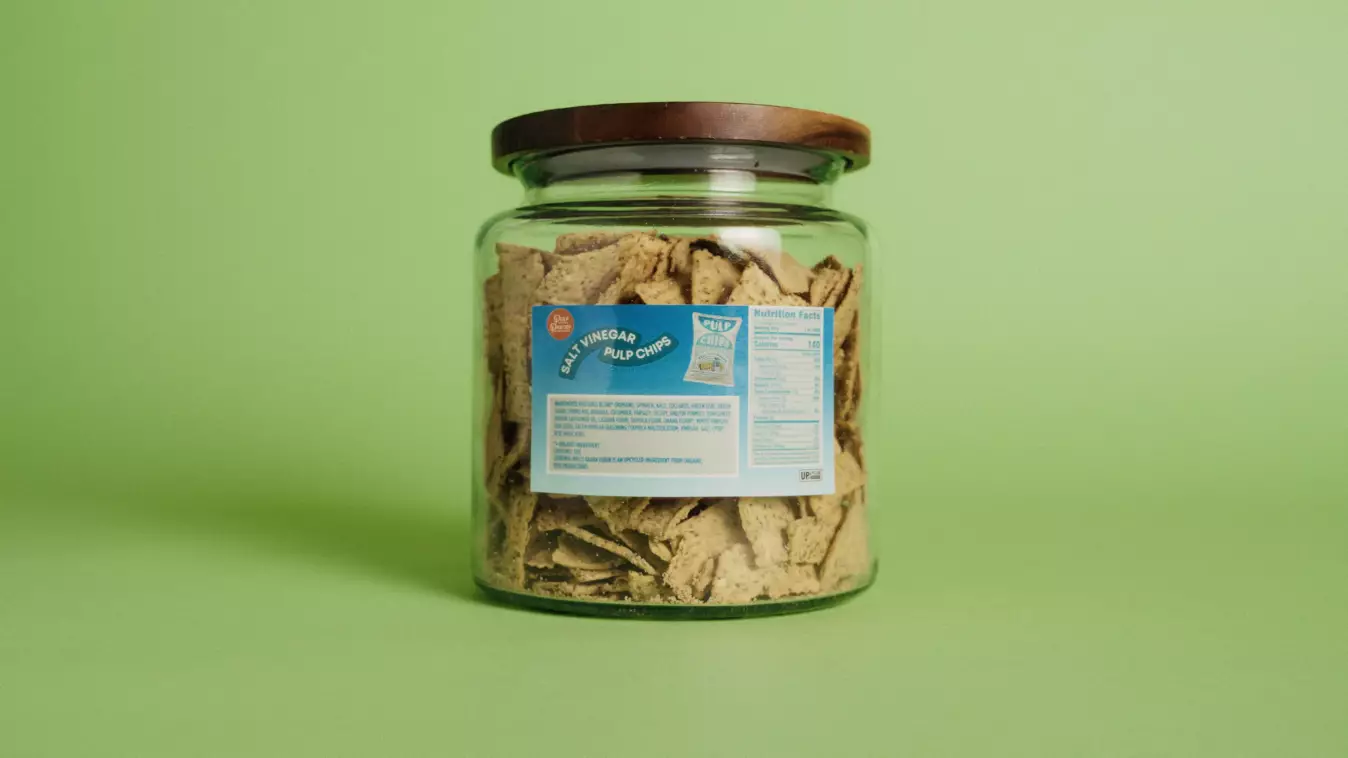
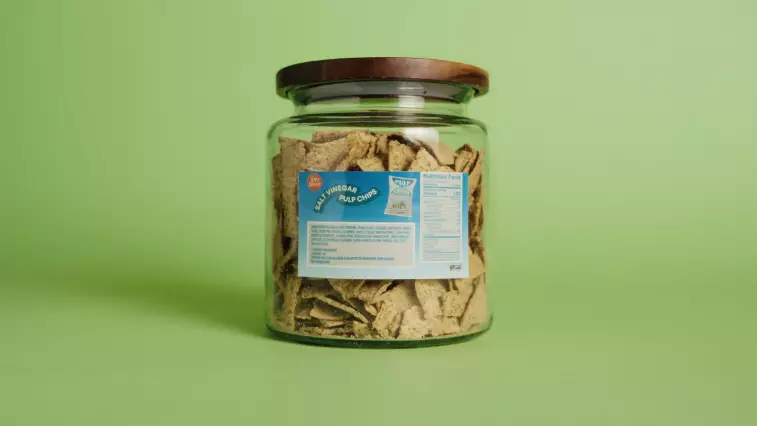
Upcycled vegetables chips in bulk packaging
Pulp Pantry creates upcycled vegetable chips and tests plastic-free packaging solutions for food service, including grab-and-go. The company has been testing bulk packaging while also exploring opportunities to create a reusables program with reverse logistics.
Agricultural waste upcycled into eco-friendly plastic alternatives
PlasticFri is a green tech company from Sweden that turns agricultural waste into eco-friendly plastic alternatives, aiming to replace billions of plastic products with their technology. PlasticFri helps the food industry achieve true circularity by offering compostable trash bags.

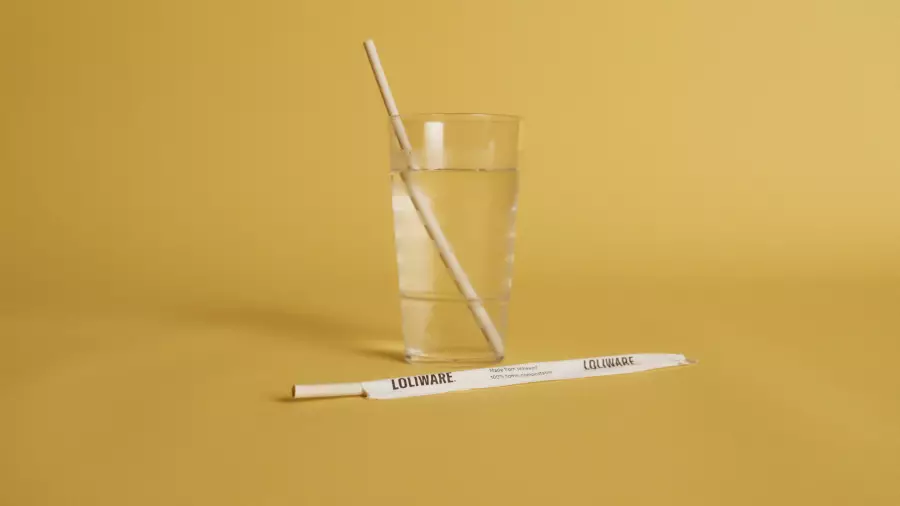
Seaweed-based straws and utensils
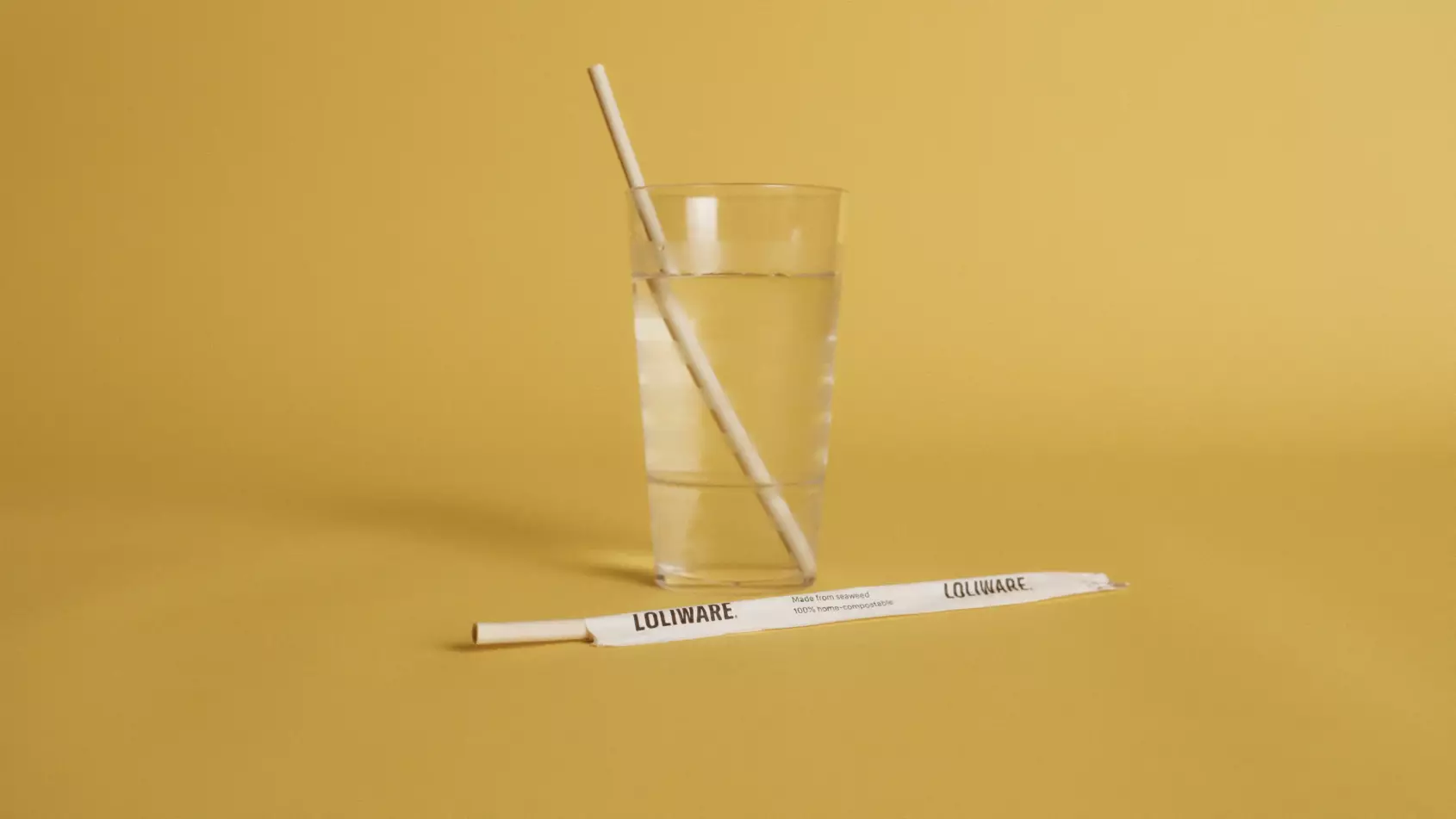
Loliware produces seaweed-based straws and utensils that are both circular and home compostable. The company has scaled seaweed production as a cost effective replacement for plastic, building a technology that creates a new category of sustainable resins that can be processed on existing plastics equipment. With its regenerative seaweed solutions, Loliware aims to support ocean health.
Matt Hood, Senior Director of Global Food and Health Performance at Google explains why the company is so invested in the topic of single-use plastics in the first place. “As part of our carbon and circular economy commitments, Google has been working since 2019 to reduce single-use plastics across our food program operations. That means changing the products we buy, rethinking how we prepare and store food, and using reusable and refillable systems. Because Google works with influential food service providers around the world, serving over 250,000 meals a day in over 55 countries, our food plastics footprint matters.”
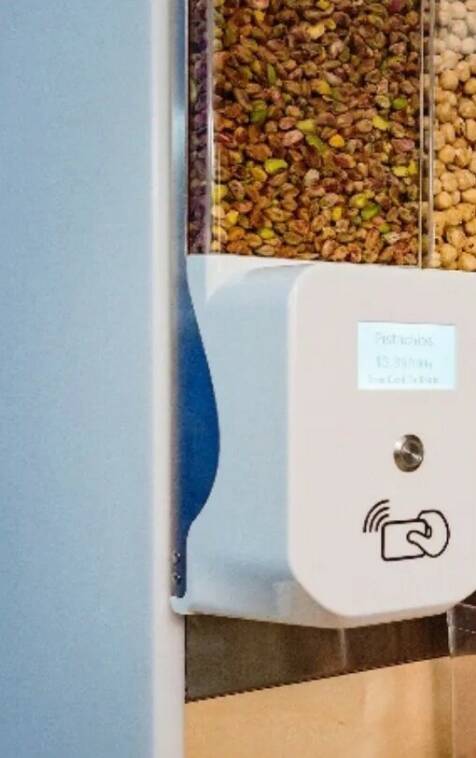
Touchless dispensers for bulk snacks
TAG offers smart, touchless dispensers for food safe and hygienic bulk food shopping experiences, that includes a smart dispenser that provides real time inventory control through an online portal. The reusable cartridge design allows for zero waste transport of products directly from the producer to the end user.
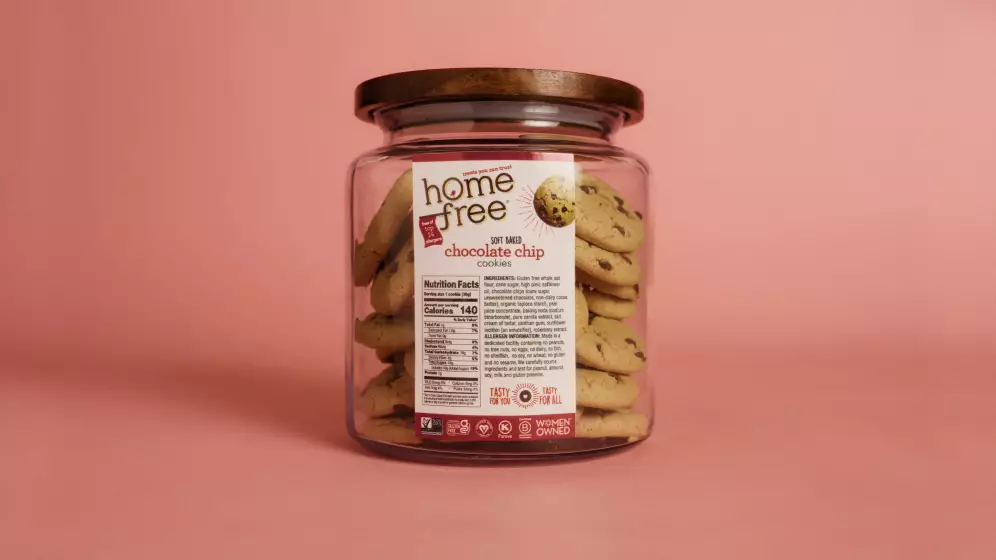
Bulk packaged allergy-friendly cookies
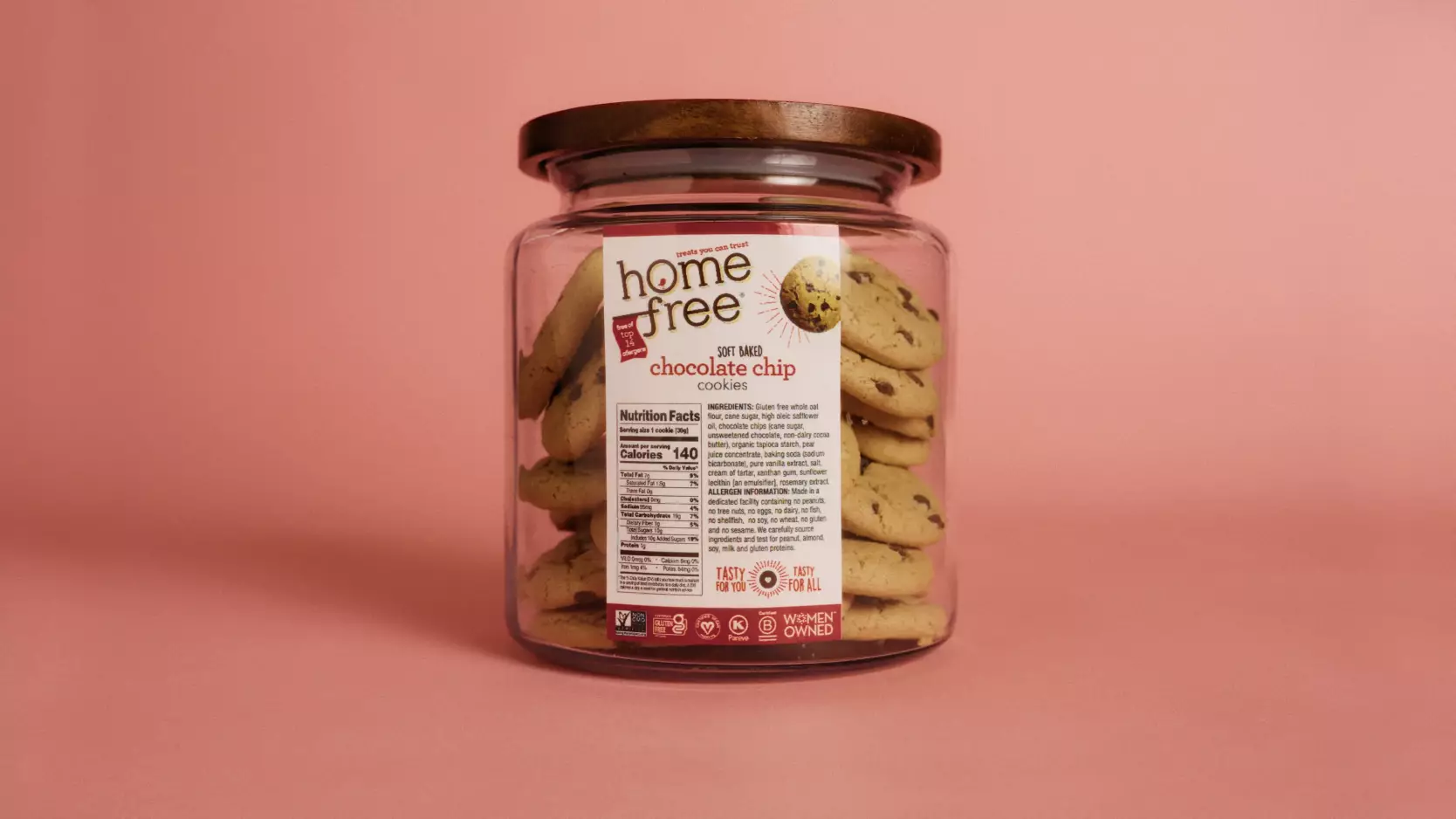
HomeFree offers allergy-friendly baked goods, like gluten-free vegan cookies, in bulk packaging that aims to encourage an industry-wide shift that is more sustainable. They do this by advocating for bulk-packaging.
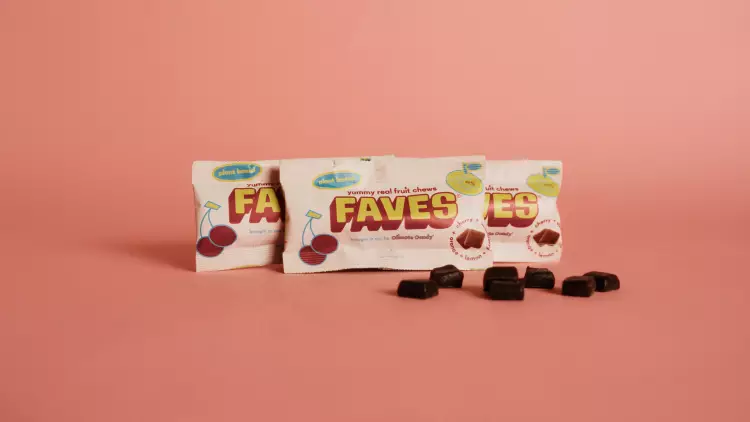
Upcycled fruit & vegetable candy, packed in plant fiber and paper packaging
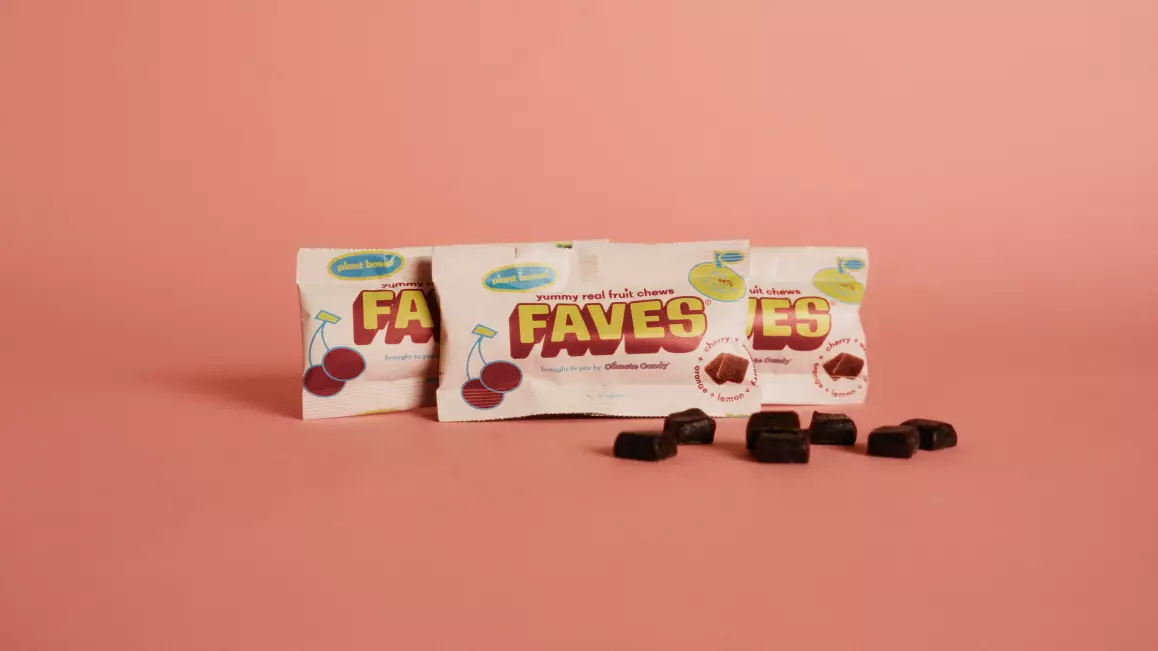
Climate Candy wants to rescue the 25% of imperfect produce that goes unharvested on farms and turn it into candy. The one million pieces of produce Climate Candy rescues per year has already saved over a million square feet of crops and 50 million liters of water. The upcycled candies also provide consumers with tasty servings of fruits and vegetables, which are wrapped in kraft paper packaging.

Edible cutlery with non-GMO ingredients
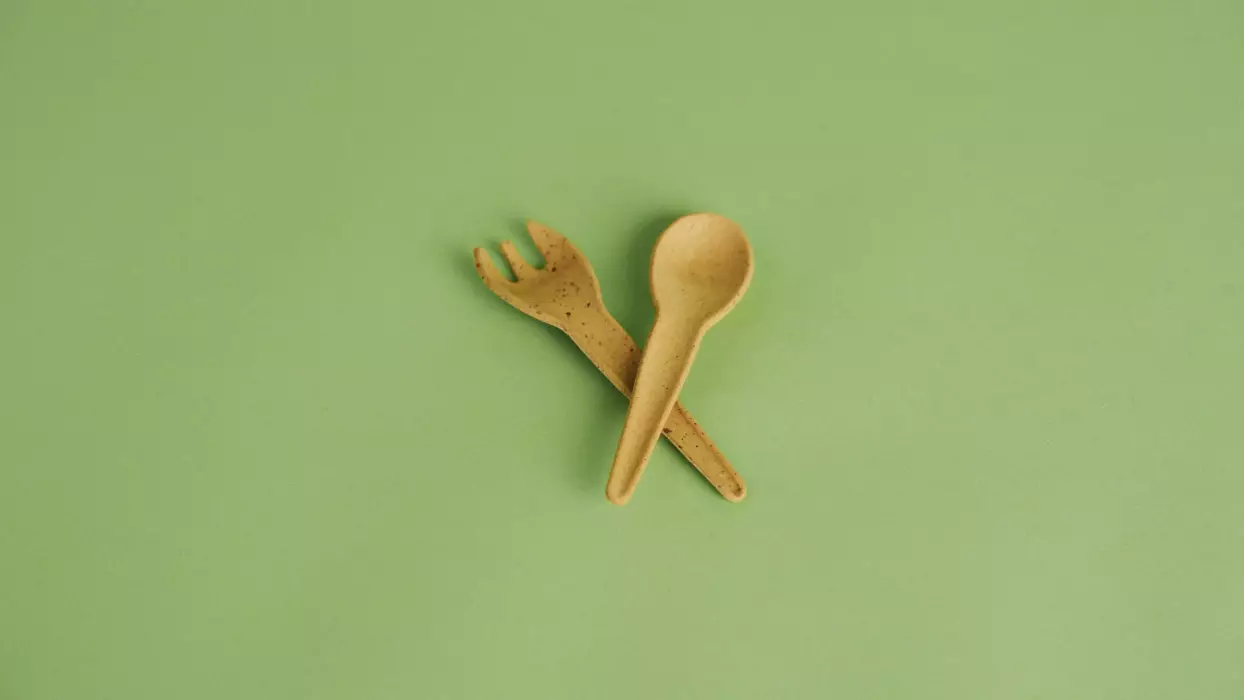
Incredible Eats replaces single-use plastic cutlery with edible options, made from non-GMO grains. Their edible spoons, forks and straws come in subtle sweet and savory flavors, and the utensils can stay firm for up to an hour. The innovation is vegan, and also certified Carbon and Plastic negative.
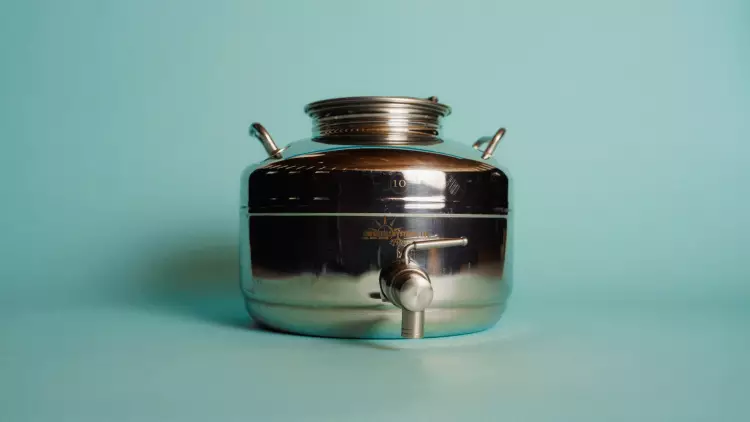
Reusable oil jugs for food service
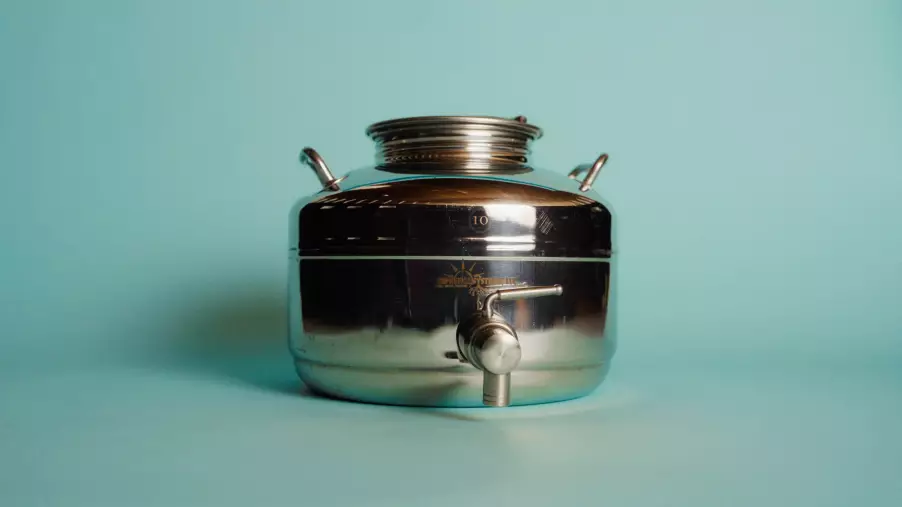
Eco Refill Systems is reducing the single-use plastic packaging used for cooking oils by providing refillable stainless steel containers, and servicing customers with a subscription-based delivery service for these oils. The stainless steel containers are made with the highest craftsmanship, and replace the single-use plastic oil containers that are commonly used in the food service industry.
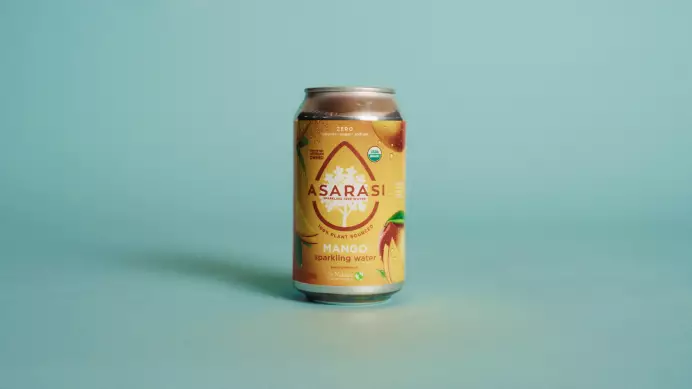
Maple tree water in cans as a replacement for single-use plastic bottled water
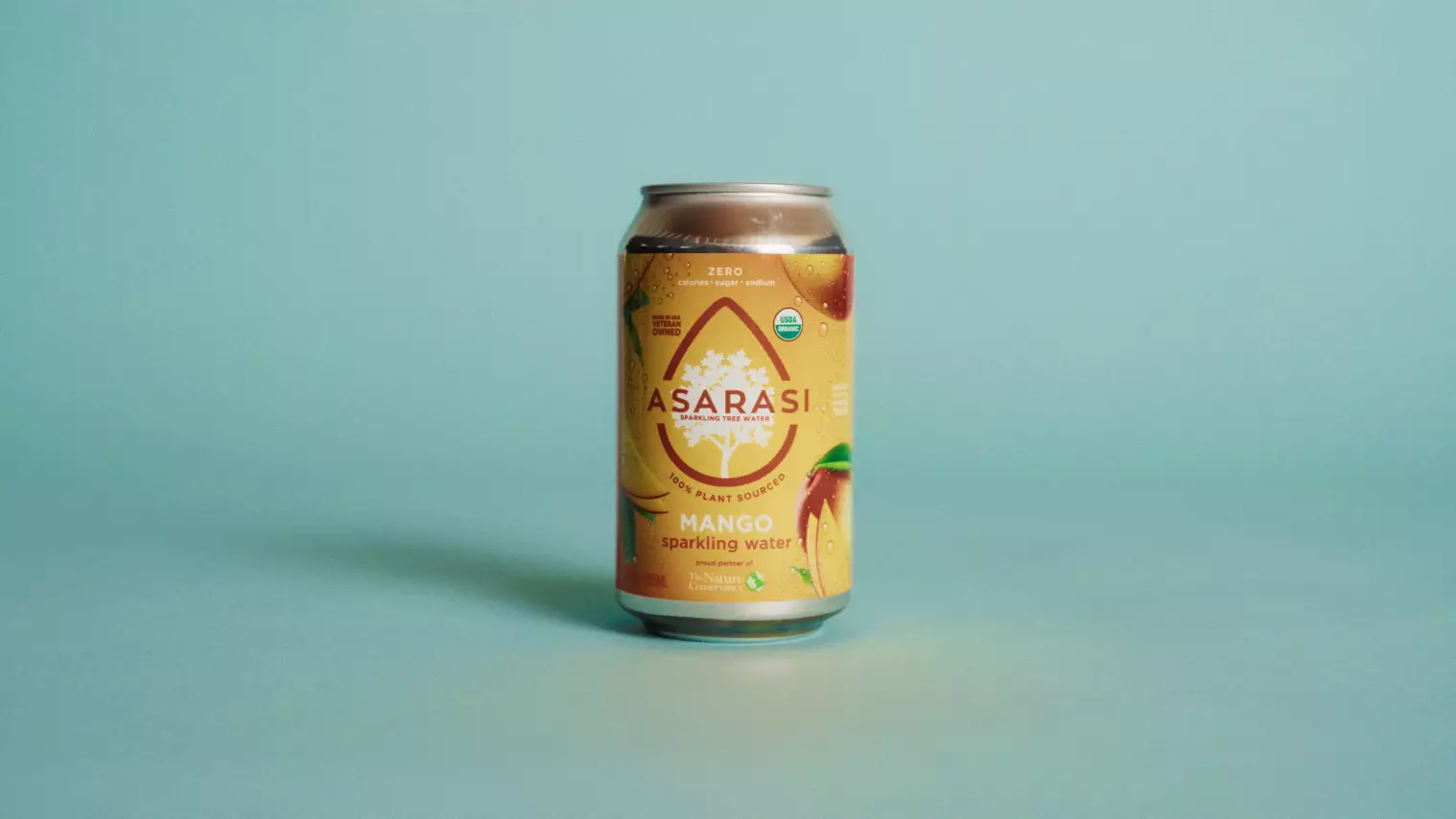
Asarasi taps pure water from maple trees and is working to replace current bottled water industry products with this renewable and sustainable resource. According to Asarasi, 49 gallons of tree water is wasted for every gallon of maple syrup that is produced. That is, until now. Asarasi utilizes the byproduct from maple syrup production, which in turn conserves groundwater and supports farmers while offering consumers a refreshing sparkling water.


The global plastic pollution problem is complex, demanding global industries to collaborate and take meaningful action. In 2023, Google launched the Single-Use Plastics Challenge, inviting food and beverage companies with plastic-free packaging solutions to participate. Here are 12 innovative solutions that emerged.

In the challenge, Google aimed to partner with companies that either avoid products with single-use plastics, offer expanded bulk opportunities, or use more reusable containers to transport goods. Over 350 companies applied, with a total of 13 companies offering reusable and refillable packaging solutions participating in the challenge. In the end, nine companies were selected to work with industry-leading food service partners, including Canteen, Compass Group and ISS Guckenheimer to test their products in Google’s U.S.-based cafes and MicroKitchens.
Here are 12 of the innovative solutions that emerged:
Editorial
5 min
3D printed clay cups
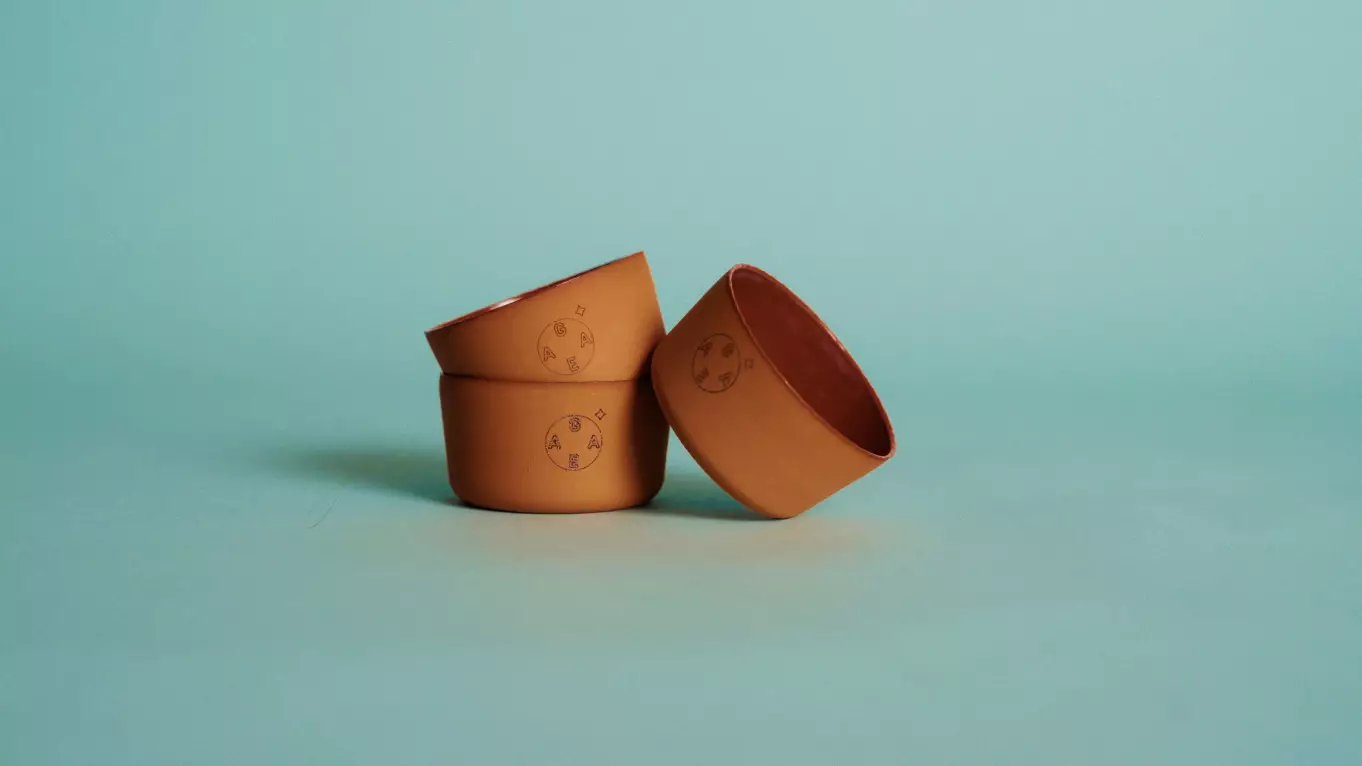
GaeaStar produces 3D printed clay cups using traditional methods and additive manufacturing. Their ‘drink to dust’-technology offers a sustainable alternative in the serveware category. GaeaStar’s clay cups are eggshell thin, can be used multiple times and are geoneutral, as they are made from just clay, water and salt. GaeaStar demonstrates that you can provide an elegant experience while also being sustainable.
Moniek de Jongh Courtesy of Google Loraine Elemans
The global plastic pollution problem is complex, demanding global industries to collaborate and take meaningful action. In 2023, Google launched the Single-Use Plastics Challenge, inviting food and beverage companies with plastic-free packaging solutions to participate. Here are 12 innovative solutions that emerged.
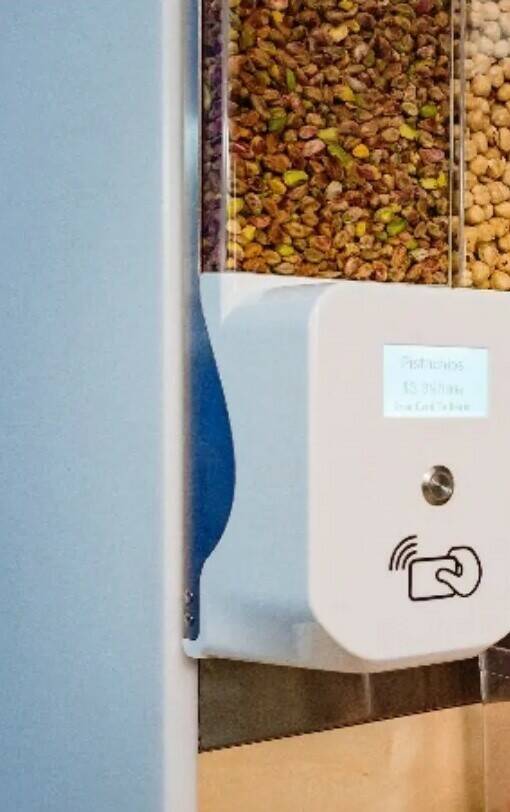
Touchless dispensers for bulk snacks
TAG offers smart, touchless dispensers for food safe and hygienic bulk food shopping experiences, that includes a smart dispenser that provides real time inventory control through an online portal. The reusable cartridge design allows for zero waste transport of products directly from the producer to the end user.
Curious to learn more about some of these innovations? In this blogpost on Google’s Sustainability-page five of them are showcased »
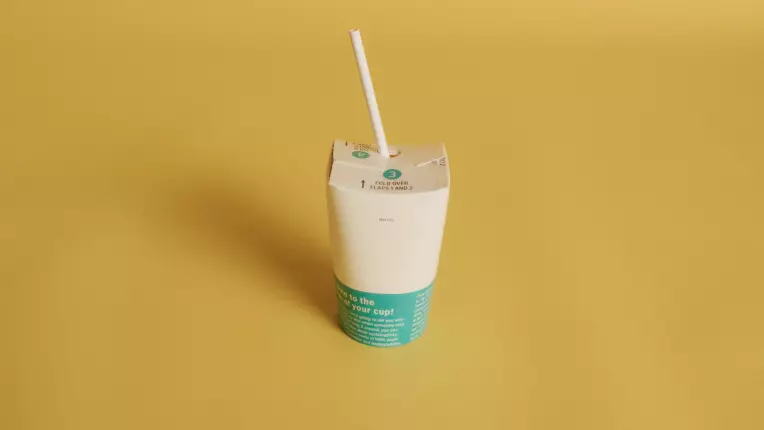
All-in-one paper cup with built-in lid
SOFi has developed a new revolutionary paper cup with a built-in lid and paper straws that don't get soggy or taste like paper and are entirely plastic and PFAS free. By eliminating separate plastic lids, they’re reducing waste while helping businesses save on shipping, storage and counter space.
Matt Hood, Senior Director of Global Food and Health Performance at Google explains why the company is so invested in the topic of single-use plastics in the first place. “As part of our carbon and circular economy commitments, Google has been working since 2019 to reduce single-use plastics across our food program operations. That means changing the products we buy, rethinking how we prepare and store food, and using reusable and refillable systems. Because Google works with influential food service providers around the world, serving over 250,000 meals a day in over 55 countries, our food plastics footprint matters.”
Upcycled vegetables chips in bulk packaging
Pulp Pantry creates upcycled vegetable chips and tests plastic-free packaging solutions for food service, including grab-and-go. The company has been testing bulk packaging while also exploring opportunities to create a reusables program with reverse logistics.
Agricultural waste upcycled into eco-friendly plastic alternatives
PlasticFri is a green tech company from Sweden that turns agricultural waste into eco-friendly plastic alternatives, aiming to replace billions of plastic products with their technology. PlasticFri helps the food industry achieve true circularity by offering compostable trash bags.
Edible cutlery with non-GMO ingredients
Incredible Eats replaces single-use plastic cutlery with edible options, made from non-GMO grains. Their edible spoons, forks and straws come in subtle sweet and savory flavors, and the utensils can stay firm for up to an hour. The innovation is vegan, and also certified Carbon and Plastic negative.
Seaweed-based straws and utensils
Loliware produces seaweed-based straws and utensils that are both circular and home compostable. The company has scaled seaweed production as a cost effective replacement for plastic, building a technology that creates a new category of sustainable resins that can be processed on existing plastics equipment. With its regenerative seaweed solutions, Loliware aims to support ocean health.
Bulk packaged allergy-friendly cookies
HomeFree offers allergy-friendly baked goods, like gluten-free vegan cookies, in bulk packaging that aims to encourage an industry-wide shift that is more sustainable. They do this by advocating for bulk-packaging.
Reusable oil jugs for food service
Eco Refill Systems is reducing the single-use plastic packaging used for cooking oils by providing refillable stainless steel containers, and servicing customers with a subscription-based delivery service for these oils. The stainless steel containers are made with the highest craftsmanship, and replace the single-use plastic oil containers that are commonly used in the food service industry.
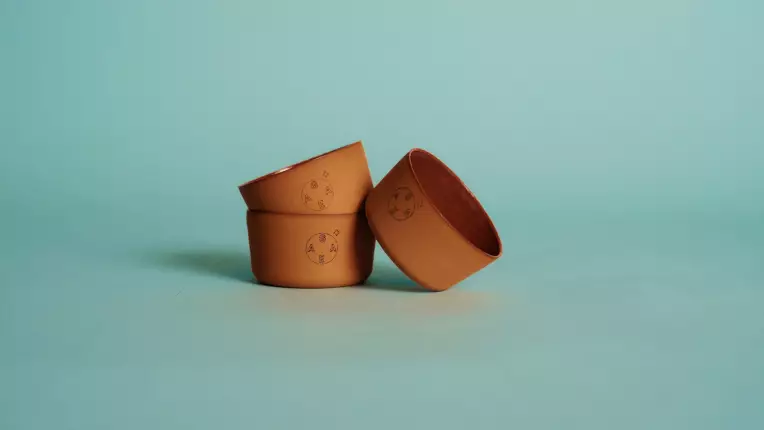
3D printed clay cups
GaeaStar produces 3D printed clay cups using traditional methods and additive manufacturing. Their ‘drink to dust’-technology offers a sustainable alternative in the serveware category. GaeaStar’s clay cups are eggshell thin, can be used multiple times and are geoneutral, as they are made from just clay, water and salt. GaeaStar demonstrates that you can provide an elegant experience while also being sustainable.
Upcycled fruit & vegetable candy, packed in plant fiber and paper packaging
Climate Candy wants to rescue the 25% of imperfect produce that goes unharvested on farms and turn it into candy. The one million pieces of produce Climate Candy rescues per year has already saved over a million square feet of crops and 50 million liters of water. The upcycled candies also provide consumers with tasty servings of fruits and vegetables, which are wrapped in kraft paper packaging.


6 min
Maple tree water in cans as a replacement for single-use plastic bottled water
Asarasi taps pure water from maple trees and is working to replace current bottled water industry products with this renewable and sustainable resource. According to Asarasi, 49 gallons of tree water is wasted for every gallon of maple syrup that is produced. That is, until now. Asarasi utilizes the byproduct from maple syrup production, which in turn conserves groundwater and supports farmers while offering consumers a refreshing sparkling water.
In the challenge, Google aimed to partner with companies that either avoid products with single-use plastics, offer expanded bulk opportunities, or use more reusable containers to transport goods. Over 350 companies applied, with a total of 13 companies offering reusable and refillable packaging solutions participating in the challenge. In the end, nine companies were selected to work with industry-leading food service partners, including Canteen, Compass Group and ISS Guckenheimer to test their products in Google’s U.S.-based cafes and MicroKitchens.
Here are 12 of the innovative solutions that emerged: